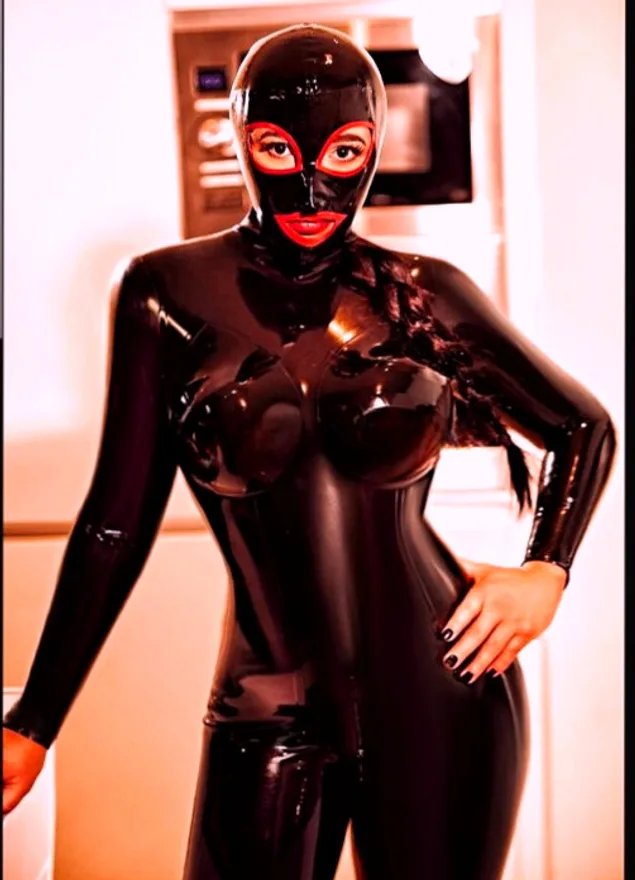
Bondage (Meester(es)) – A Journey Into the Quiet Art of Restraint
To give over control is to open a rare door, one that leads not into darkness but into a heightened clarity of sensation. The room holds its breath; the light is low, amber against the walls, and the only sound is the soft rhythm of your own pulse. Here, the hands that guide you are deliberate, each touch a question posed and answered in the hush between heartbeats. The mind quiets, the body listens, and every nerve becomes a willing student of the moment. It is in this space that the ordinary falls away, leaving only the raw, elegant exchange of power and pleasure—a dance where the destination is the deepening of every breath, the surrender of every thought.
Bondage (Meester(es)): The Aesthetic of Submissive Play
Within the hush of a dimly lit room, the first brush of silk against skin sets a tone that is as much about anticipation as it is about touch. For some, the appeal lies in the slow unwinding of trust, where each deliberate motion draws the senses into sharper focus. The air itself seems to change, carrying the scent of leather and worn wood, while the mind drifts toward the poetry of surrender. Here, the body's language speaks louder than words, and every gesture becomes a verse in an unspoken dialogue. This is not merely a physical encounter but an atmosphere where time loosens its grip, allowing the present moment to unfold with a deliberate, almost dreamlike cadence. The experience invites a quiet exploration of boundaries, where the thrill is found not in the destination but in the gradual, sensual build-up of what is yet to come.
The Language of Surrender in Bondage (Meester(es))
When the eyes adjust to the low light, the details of a space begin to emerge—the soft creak of a suspended swing, the neat coil of a rope resting on a hook, the gleam of a leather cuff hanging in anticipation. These objects, though silent, carry their own weight, each one a character in the quiet theater of power exchange. In browsing the listings, one notices how the descriptions vary: some speak of gentle guidance and whispered commands, while others hint at firmer hands and a more resolute will. The photographs, when present, offer only a glimpse—a shadowed shoulder, a turned head—leaving much to the imagination. It is this subtlety, this refusal to reveal everything, that makes the perusal itself an intimate act. Each profile becomes a door slightly ajar, inviting a closer look without ever fully stepping into the light. What is written, and what is left unsaid, weave together a narrative that is as much about the reader's own desires as it is about the person behind the words.